

Institutional Adoption of Blockchain and Tokenization
Explore institutional blockchain adoption and tokenization in 2026, USA, UAE, Saudi Arabia driving digital assets.

Over the past decade, blockchain technology has transformed from a niche innovation into a cornerstone of modern finance. By 2026, the institutional adoption of blockchain and tokenization is no longer be a distant possibility; it has become a strategic priority for banks, asset managers, and governments worldwide.
Institutions are embracing Bitcoin ETFs, tokenized real estate, and private equity as part of their digital transformation strategies. This shift is not just about efficiency; it represents a fundamental rethinking of how digital assets are issued, traded, and managed. With clearer regulatory frameworks, improved energy efficiency, and integration into global supply chains, blockchain is unlocking new levels of transparency, liquidity, and trust.
From Abu Dhabi’s free zones to the United States of America’s financial markets, and even initiatives tied to Saudi Arabia’s Vision 2030, tokenization is reshaping the global mining sector and investment landscape. Institutions are no longer asking if blockchain will matter, they are asking how fast they can integrate it to stay competitive.
Why Institutions Are Embracing Blockchain
The rapid institutional adoption of blockchain and tokenization in 2026 is driven by several powerful factors. From unlocking liquidity to regulatory clarity and advanced technology integration, institutions are recognizing that blockchain is no longer optional, it is essential for staying competitive in the evolving digital assets economy.
1. Liquidity and Efficiency
One of the most compelling reasons institutions are embracing blockchain is the promise of liquidity and efficiency. Traditionally, assets such as real estate, private equity, and fine art have been illiquid, accessible only to large funds or wealthy investors. Through tokenization, these assets can now be divided into fractional units, allowing broader participation and democratizing investment opportunities.
Moreover, blockchain enables real‑time settlement, which reduces counterparty risk and improves overall capital efficiency. This is a significant shift from legacy financial systems that often rely on slow, multi‑day clearing processes. For example, tokenized real estate surpassed $20 billion in 2026, opening doors for investors worldwide to access markets once reserved for institutional giants. Transitioning from illiquidity to instant tradability is a game‑changer for the global mining sector and financial markets alike.
2. Regulatory Progress
Another major driver of adoption is regulatory progress. For years, uncertainty around blockchain and tokenization slowed institutional participation. However, by 2026, clearer regulatory frameworks in regions such as the EU, UAE, and parts of Asia have accelerated confidence.
In the United States of America, the approval of Bitcoin ETFs marked a historic turning point, signaling mainstream acceptance of digital assets. This milestone reassured institutional investors that blockchain products can coexist with traditional finance under regulated structures. Transitioning from uncertainty to clarity has encouraged institutions to allocate more capital toward blockchain‑based products, knowing that compliance and oversight are in place.
Meanwhile, regions like Abu Dhabi have introduced free zones and tax advantages to attract blockchain innovation, while Saudi Arabia’s Vision 2030 strategy emphasizes diversification into digital economies. Together, these initiatives highlight how regulation is no longer a barrier but a catalyst for institutional adoption.
3. Technology Integration
Finally, institutions are embracing blockchain because of its seamless technology integration with other innovations. The convergence of artificial intelligence (AI) and blockchain is transforming how trading, compliance, and risk management are handled. AI algorithms can analyze blockchain data in real time, optimize energy efficiency, and predict market trends, making institutional operations smarter and more resilient.
Additionally, tokenization platforms are increasingly integrated into existing supply chains, improving transparency, reducing fraud, and ensuring authenticity of goods. This integration strengthens trust in digital asset markets, as institutions can verify transactions and asset ownership instantly. Transitioning from siloed systems to interconnected blockchain networks represents a leap forward in efficiency and accountability.
Key Areas of Institutional Tokenization
| Asset Class | Tokenization Impact (2026) | Example Use Case |
| Real Estate | $20B+ tokenized | Fractional ownership of commercial properties |
| Private Equity | $800M+ tokenized | Access for smaller investors |
| ETFs | Bitcoin ETFs approved | Institutional exposure to crypto |
| Supply Chains | Blockchain integration | Transparent tracking of goods |
Risks and Considerations
While institutional adoption of blockchain and tokenization is accelerating, several risks must be carefully evaluated. These challenges range from regulatory uncertainty to sustainability concerns, and they directly influence the long‑term success of the digital assets economy.
Regulatory Divergence
- Uneven regulatory environments across regions create uncertainty for global institutions.
- While the United States of America and Abu Dhabi free zones offer clearer frameworks, other jurisdictions remain cautious.
- Saudi Arabia’s Vision 2030 highlights blockchain innovation, but evolving policies may slow adoption.
Technology Gaps
- Legacy financial systems often struggle to integrate blockchain seamlessly.
- Institutions must invest in artificial intelligence and modern infrastructure to bridge these gaps.
- Without upgrades, inefficiencies and bottlenecks may persist, limiting scalability in the mining sector.
Sustainability
- ESG compliance is increasingly critical for institutional credibility.
- Blockchain operations must prioritize energy efficiency and renewable power sources.
- The UAE, particularly Abu Dhabi, leads with green mining initiatives, while others lag.
Competition
- Larger institutions with deeper resources dominate, crowding out smaller players.
- The United States of America sets the pace with advanced infrastructure, while Saudi Arabia offers tax advantages and golden visa programs to attract talent.
- Smaller firms must innovate or specialize to remain competitive in the digital assets space.
Conclusion
In my view, the institutional adoption of blockchain and tokenization represents the most profound financial transformation of this decade. The United States of America has taken the lead with the approval of Bitcoin ETFs, setting a precedent for mainstream integration of digital assets. At the same time, regions such as Abu Dhabi and Saudi Arabia are strategically positioning themselves as global innovation hubs, offering free zones, tax advantages, and forward‑looking policies to attract blockchain enterprises.
This movement is not simply about efficiency or faster transactions; it is about democratizing access to capital markets, breaking down barriers to investment, and reshaping how value is stored, transferred, and managed worldwide. Tokenization is unlocking opportunities that were once reserved for institutional giants, allowing broader participation in assets ranging from real estate to private equity.
For investors and institutions, the message is unmistakable: those who embrace blockchain today will define the financial landscape of tomorrow. The future of finance will be built on transparency, inclusivity, and innovation, and blockchain is the foundation upon which that future rests.
Author

Areej Maqbool
Blockchain Writer & Web3 ExpertBlockchain Writer & Web3 Expert
Areej Maqbool is a Blockchain writer and thought leader with over 5 years of experience in crafting compelling narratives and insights on blockchain and Web3 innovation. Her expertise spans the intersection of technology, business, and society, with a focus on decentralized applications, smart contracts, and blockchain adoption.
Key Expertise:
- Blockchain and Web3 storytelling
- Technical writing for blockchain and Web3 projects
- Thought leadership and opinion editorials
- Research and analysis on blockchain and Web3 trends

Date
2 months agoShare on

Related Blogs
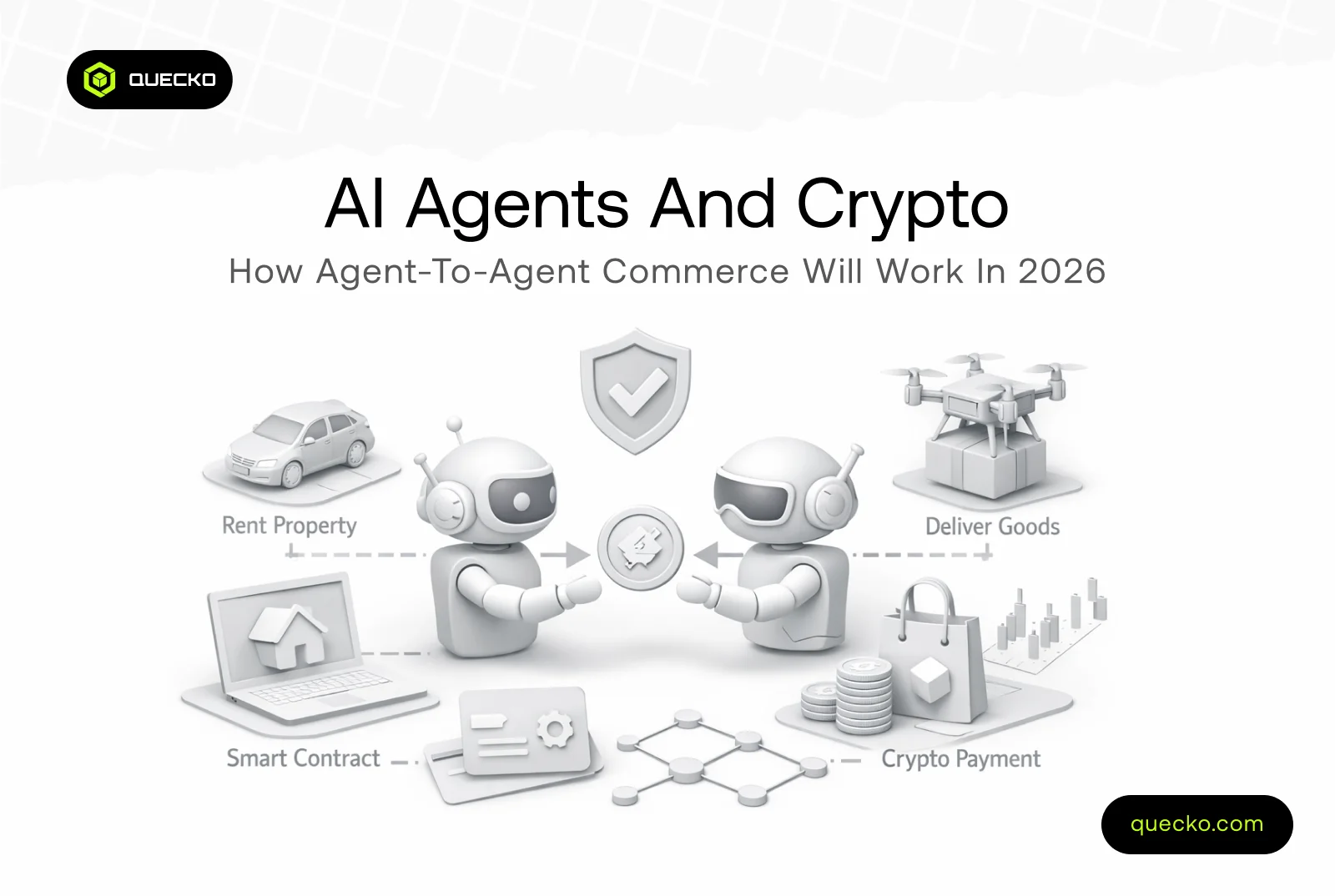
AI Agents and Crypto: How Agent-to-Agent Commerce Will Work in 2026
8 hours ago
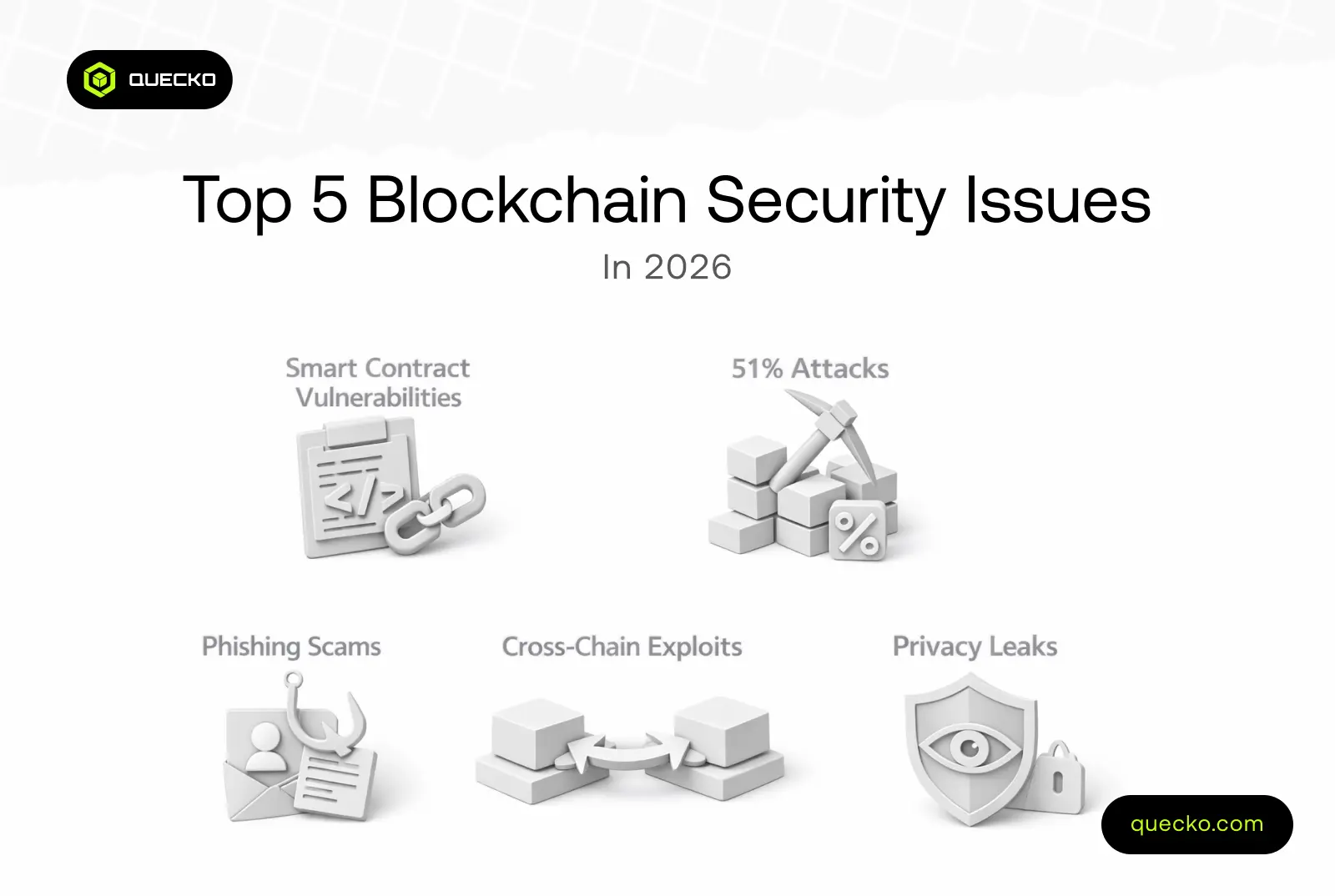
Top 5 Blockchain Security Issues in 2026
1 day ago
Decentralized Identity (DID) Beyond KYA: What’s Next for Web3 Authentication
3 days ago
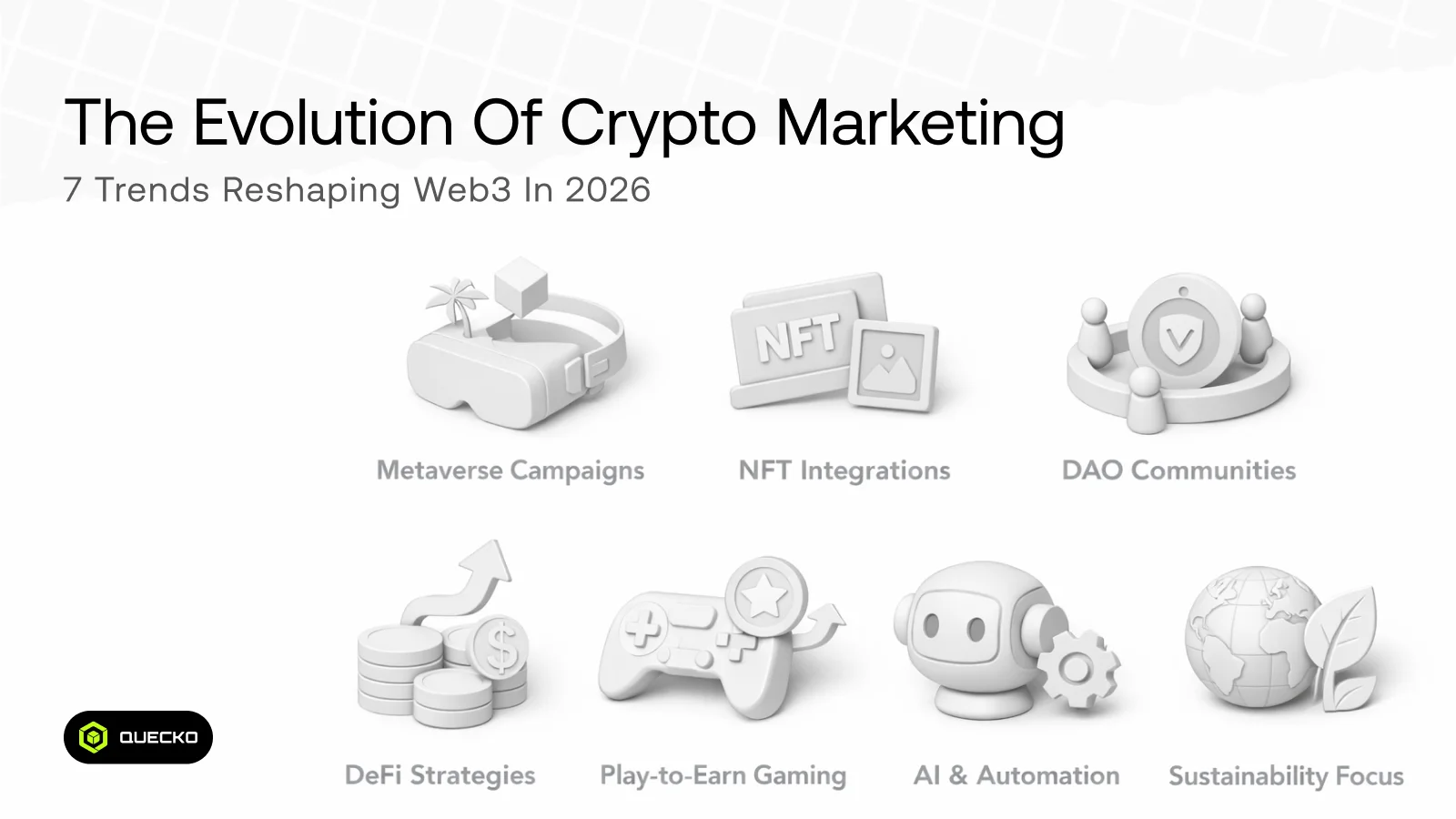
The Evolution of Crypto Marketing: 7 Trends Reshaping Web3 in 2026
4 days ago








 +971-50-740-0268