

Community-Led Growth in Web3
Discover how community-led growth is transforming Web3 by fostering decentralized engagement, trust, and innovation. Explore strategies, benefits, and real-world examples of empowering communities to drive Web3 adoption and success.
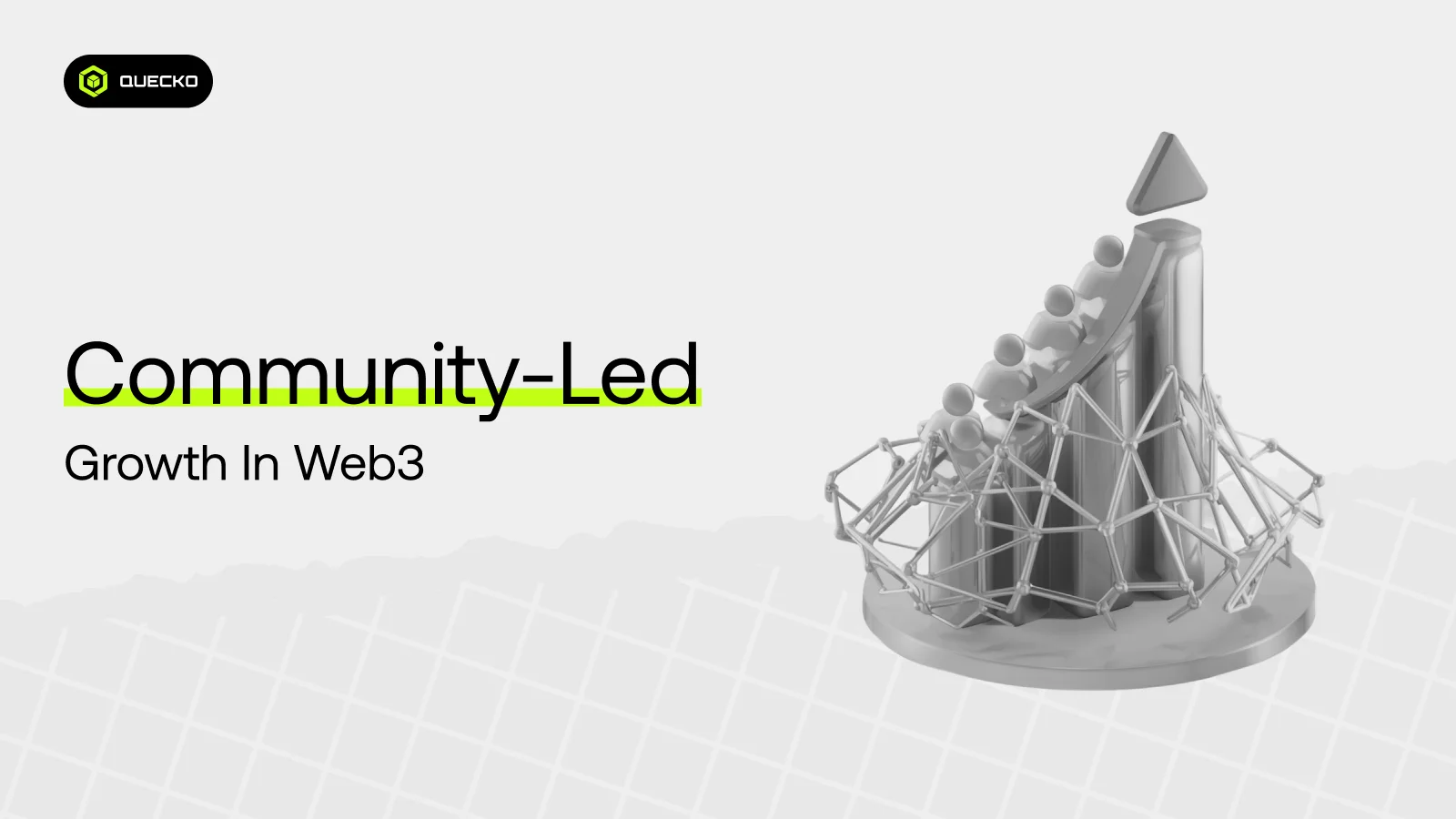
In the rapidly evolving landscape of Web3, traditional marketing strategies are giving way to a more decentralized and community-centric approach. Community-led growth has emerged as a cornerstone for building trust, fostering engagement, and driving adoption within blockchain ecosystems. Unlike conventional models, Web3 emphasizes empowering users to become active participants, developers, advocates, stakeholders, and community participants who collectively shape the future of decentralized technologies.
This shift not only enhances network effects but also cultivates a resilient and vibrant ecosystem driven by shared values and collaborative innovation. Regular project updates keep the community informed and engaged, reinforcing transparency and trust. Influencer marketing within Web3 leverages influential advocates to expand reach and credibility, contrasting with the reliance on centralized platforms that often dominate Web2 marketing‘s strategies.
Understanding the principles and strategies behind community-led growth, as well as the values of decentralization, is essential for anyone looking to thrive in the decentralized web. Embracing these elements will be key to fostering sustainable development and adoption in the evolving Web3 ecosystem.
What is Community-Led Growth?
Community-Led Growth (CLG) is a strategic approach to business expansion that places the community at the heart of a company’s growth initiatives. Unlike traditional marketing or sales-driven models, CLG emphasizes fostering authentic relationships, engagement, and shared value within a dedicated community of users, customers, or enthusiasts to drive sustainable growth. This approach encourages community participation across centralized platforms where members can collaborate and share ideas effectively. Influential figures such as Vitalik Buterin and Anthony Pompliano often advocate for community-driven development, especially within the blockchain space, exemplified by communities like Ethereum and Punk6529. Thought leaders like Kelsey McGuire highlight the importance of nurturing these communities to achieve long-term success.
Core Principles of Community-Led Growth:
- Community as a Central Asset: CLG recognizes the community as a vital asset that can influence brand perception, credibility, and adoption. Engaged communities often advocate for the product, provide feedback, and contribute to its development.
- Authentic Engagement: Building trust through genuine interactions, transparency, and active listening. This involves creating spaces, such as forums, social media groups, or events, where community members can share experiences, ask questions, and collaborate.
- User Advocacy & Word-of-Mouth: Empowering community members to become brand ambassadors who organically spread positive word-of-mouth, resulting in organic growth that is often more sustainable and cost-effective.
- Co-Creation & Feedback Loops: Involving the community in product development, feature requests, and improvement initiatives. This collaborative approach ensures the product aligns closely with user needs and fosters a sense of ownership.
- Shared Values & Culture: Cultivating a sense of belonging through shared values, missions, or interests, which encourages loyalty and long-term commitment.
How Community-Led Growth Differs from Traditional Models:
- Traditional growth models often rely heavily on paid advertising, outbound sales, and funnel optimization.
- CLG shifts focus toward nurturing organic relationships, leveraging community influence, and creating a self-sustaining ecosystem.
- While marketing and sales still play roles, their focus is complemented or even replaced by community engagement efforts.
Benefits of Community-Led Growth:
- Reduced customer acquisition costs through organic advocacy.
- Increased customer retention and loyalty.
- Richer insights and feedback for product improvement.
- Enhanced brand reputation and authenticity.
- Creation of a vibrant ecosystem that sustains growth over time.
Examples of Community-Led Growth in Practice:
- SaaS companies like Slack and GitHub built strong communities around their platforms, which fueled organic adoption.
- Open-source projects thrive on community contributions, leading to widespread adoption and continuous innovation.
- Niche brands foster dedicated customer groups that actively promote and support the brand.
Why is Community Central to Web3?
In the evolving landscape of Web3, community stands at the heart of its philosophy and development. Unlike traditional web platforms driven predominantly by centralized entities, Web3 emphasizes decentralization, transparency, and shared ownership, principles that inherently foster a strong sense of community. As highlighted in MadTech Magazine, effective “Professional Capital Management” and innovative “Social Media Engagement and Content Strategy” are essential for building and sustaining these communities. Additionally, moving away from “top-down communication” enables more inclusive and participatory interactions, further strengthening the bonds within Web3 ecosystems.
Core Reasons Why Community is Central to Web3:
- Decentralized Governance: Web3 projects often operate through decentralized autonomous organizations (DAOs) where community members actively participate in decision-making processes. This collective governance model ensures that the project aligns with the interests of its stakeholders rather than a central authority.
- Shared Ownership and Incentives: Community members are often token holders, giving them a stake in the project’s success. This shared ownership incentivizes active participation, contribution, and long-term commitment, creating a collaborative environment where everyone benefits.
- Trust and Transparency: Web3 leverages blockchain technology to ensure transparency and immutability of transactions and decisions. A committed community helps uphold these principles by engaging in open discussions, verifying information, and holding developers and project leaders accountable.
- Innovation and Co-Creation: Community-driven development accelerates innovation. Contributors from diverse backgrounds bring unique ideas, identify issues, and develop solutions collaboratively. This collective creativity propels the ecosystem forward more rapidly than traditional models.
- Resilience and Adoption: A strong, engaged community fosters trust and loyalty, which are critical for widespread adoption. Community members act as ambassadors, evangelizing the project, educating others, and helping to build a sustainable ecosystem resistant to centralized control or failure.
- Cultural and Social Identity: Web3 communities often form around shared values such as decentralization, privacy, and open access. These shared beliefs create a sense of belonging and purpose, reinforcing commitment and active engagement.
In essence, community is the backbone of Web3, as it empowers users to go beyond passive consumption, enabling them to shape, govern, and sustain the ecosystem. This collective approach, facilitated through platforms like Discord and Web3 marketing strategies, counters top-down communication by fostering open dialogue and active participation. This not only democratizes technology but also builds resilient, innovative, and inclusive digital environments that reflect the values of decentralization and shared ownership.
How Community-Led Growth Works
Community-led growth is a strategic approach where a company’s expansion is driven primarily through the active engagement and advocacy of its user community. Unlike traditional marketing methods that rely heavily on paid advertising or outbound sales, community-led growth leverages organic relationships, peer-to-peer interactions, and shared values to foster sustainable and scalable expansion.
Core Principles and Workflow:
- Building a Vibrant Community: The foundation of community-led growth begins with creating a space where users, customers, and enthusiasts can connect and interact. This could be through online forums, social media groups, user conferences, or dedicated platforms. The goal is to cultivate a sense of belonging and shared purpose.
- Providing Value and Encouraging Engagement: Companies focus on delivering ongoing value through various channels, including content, support, exclusive access, and recognition. Active engagement is encouraged via discussions, user-generated content, feedback sessions, and collaborative initiatives. This deepens users’ attachment to the brand.
- Empowering Advocates and Ambassadors: Loyal community members often become brand ambassadors, sharing their positive experiences and advocating for the product organically. These advocates influence their networks, bringing in new users through trusted recommendations rather than traditional advertising.
- Harnessing User Feedback for Product Development: Community insights inform product improvements, ensuring offerings align with real user needs. This participatory approach fosters loyalty and creates a cycle where better products encourage more community engagement and growth.
- Creating Viral Loops: Satisfied community members naturally invite others, creating self-reinforcing growth loops. Features like referral programs, collaborative projects, or social sharing amplify this effect, making growth scalable without heavy marketing spend.
- Nurturing Trust and Loyalty: Transparency, consistent communication, and active listening build trust. Loyal communities tend to remain committed, renew subscriptions, and promote the brand authentically.
- Scaling Through Network Effects: As the community expands, its collective value increases, attracting more members and creating a positive feedback loop that drives further growth. This network effect accelerates growth organically, often outperforming traditional marketing channels in sustainability.
In essence, community-led growth works by transforming users into active participants and advocates, fostering genuine relationships, and creating a self-sustaining ecosystem that benefits everyone. It’s a long-term, trust-based approach that aligns company goals with community interests, resulting in loyal customers, enhanced product development, and scalable growth.
Strategies for Building Community-Led Growth
Building community-led growth involves creating a vibrant, engaged, and loyal community that actively contributes to the expansion and success of a brand or product. This approach leverages the power of collective advocacy, user-generated content, and authentic relationships to foster sustainable growth. Effective strategies in this realm focus on empowering community members, fostering meaningful interactions, and aligning community goals with overall business objectives.
Key Strategies Include:
- Define Clear Community Values and Purpose
Establish a compelling mission that resonates with your target audience. Clarify what your community stands for, fostering a sense of shared purpose and identity that encourages members to participate actively. - Identify and Engage Your Core Advocates
Spot passionate users and early adopters who naturally promote your offerings. Nurture these advocates through exclusive access, recognition, and opportunities to influence product development. - Create Platforms for Interaction and Collaboration
Develop dedicated spaces such as forums, social media groups, or event platforms where community members can connect, share ideas, and collaborate. Facilitating dialogue encourages stronger bonds and peer-to-peer support. - Encourage User-Generated Content and Contributions
Motivate members to share their experiences, testimonials, and creative content related to your brand. Recognizing and showcasing this content amplifies authentic advocacy and broadens reach. - Foster a Culture of Inclusivity and Appreciation
Promote an environment where all members feel valued and heard. Regularly acknowledge contributions, celebrate milestones, and foster respectful discussions to build trust and loyalty. - Implement Feedback Loops for Continuous Improvement
Actively listen to community insights and suggestions. Incorporate their feedback into product development, marketing strategies, and community initiatives, making members feel invested and influential. - Leverage Community for Product and Service Innovation
Engage community members in beta testing, idea generation, and problem-solving to enhance the overall experience. Their insights can lead to innovative features and improvements that align with actual user needs. - Align Community Goals with Business Objectives
Ensure that community activities support broader growth targets such as customer acquisition, retention, or brand awareness. Use data and analytics to measure impact and refine strategies accordingly. - Offer Incentives and Recognition
Implement reward programs, such as badges or exclusive access, to motivate ongoing participation. Recognizing contributions publicly fosters a sense of achievement and belonging. - Maintain Consistent Communication and Support
Regularly update community members on news, initiatives, and success stories. Providing responsive support and transparent communication sustains engagement and trust.
By deploying these strategies thoughtfully, organizations can cultivate a self-sustaining community that not only drives growth but also creates a resilient and authentic brand presence rooted in genuine relationships.
Challenges of Community-Led Growth
Community-led growth is an innovative approach that harnesses the power of engaged users, advocates, and stakeholders to drive the expansion of a product, service, or brand. While it offers numerous benefits such as increased loyalty, organic reach, and valuable feedback, implementing community-led growth also presents a unique set of challenges that organizations must navigate.
- Building and Maintaining Engagement: One of the primary challenges is fostering sustained engagement within the community. Initial interest may be high, but maintaining active participation over time requires ongoing effort, relevant content, and meaningful interactions. Without consistent engagement, communities risk becoming inactive or disengaged.
- Managing Community Dynamics: Communities are diverse, comprising individuals with varying interests, backgrounds, and expectations. Managing these dynamics, including conflicts, differing opinions, and ensuring inclusivity, can be complex. Negative interactions or toxicity can undermine community health and deter participation.
- Scaling the Community As a community grows, maintaining a sense of intimacy and personalized interaction becomes increasingly difficult. Scaling efforts often require additional resources, moderation, and infrastructure, which can strain organizational capabilities and dilute the community experience.
- Aligning Community Goals with Business Objectives Ensuring that community activities support broader organizational goals is crucial yet challenging. Misalignment can lead to efforts that are engaging but not strategically beneficial, or vice versa. Clear communication and goal-setting are essential to balance community needs with business priorities.
- Resource Allocation and Management Community-led growth demands dedicated resources, including personnel for moderation, content creation, and engagement analytics. Securing ongoing funding and staffing can be difficult, especially for smaller organizations or startups.
- Measuring Impact and ROI Quantifying the success of community-led initiatives is often complex. Traditional metrics may not fully capture community engagement’s qualitative benefits, such as brand advocacy or customer loyalty. Developing appropriate KPIs and measurement frameworks is vital but challenging.
- Ensuring Authenticity and Trust Authenticity is at the core of successful community-led growth. Organizations must foster genuine relationships rather than superficial interactions. Building and maintaining trust requires transparency, consistent value delivery, and respectful communication.
- Legal and Privacy Concerns Managing user-generated content, data privacy, and compliance with regulations like GDPR adds a layer of complexity. Organizations need robust policies and systems to protect community members’ privacy and handle legal considerations appropriately.
In summary, while community-led growth holds significant promise for sustainable expansion and deeper customer relationships, overcoming these challenges requires strategic planning, dedicated resources, and a genuine commitment to fostering a vibrant, trustworthy community environment.
Conclusion
In conclusion, community-led growth stands as a cornerstone for the sustainable and authentic expansion of Web3 projects. By fostering active engagement, trust, and shared ownership among users, Web3 initiatives can cultivate vibrant ecosystems that drive adoption and innovation from within.
Community-led growth in Web3 represents a transformative shift from traditional centralized models to a more decentralized, participatory approach. By empowering users and stakeholders to actively contribute to the development and governance of platforms, Web3 fosters a deeper sense of ownership, trust, and engagement. This grassroots-driven strategy not only accelerates network effects but also cultivates resilient ecosystems rooted in shared values and collective innovation. As Web3 continues to evolve, community-led growth will undoubtedly play a pivotal role in shaping sustainable, inclusive, and user-centric digital landscapes.
As the decentralized ethos continues to shape the future of the internet, empowering communities will be essential for building resilient, transparent, and inclusive platforms. Embracing community-led strategies not only accelerates growth but also ensures that Web3 remains aligned with its foundational principles of decentralization and user empowerment.
Author

Sheeba Abbasi
Digital Marketer and Social Media StrategistHi! I'm Sheeba Abbasi, a Digital Marketer, Social Media Strategist, and Content Creator specializing in Web 3.0 and Blockchain, with expertise in content development, community engagement, strategic planning, and technical writing.
Date
6 months agoShare on

Related Blogs

What is PayFi? The Future of Payments with Blockchain in 2026
12 days ago
Decentralized Identity (DID) Beyond KYA: What’s Next for Web3 Authentication
20 days ago
Cross-Chain Oracles: How Reliable Data Powers DeFi Applications
26 days ago

Leveraging Web3 Analytics to Supercharge Crypto Marketing Campaigns
1 month ago








 +971-50-740-0268